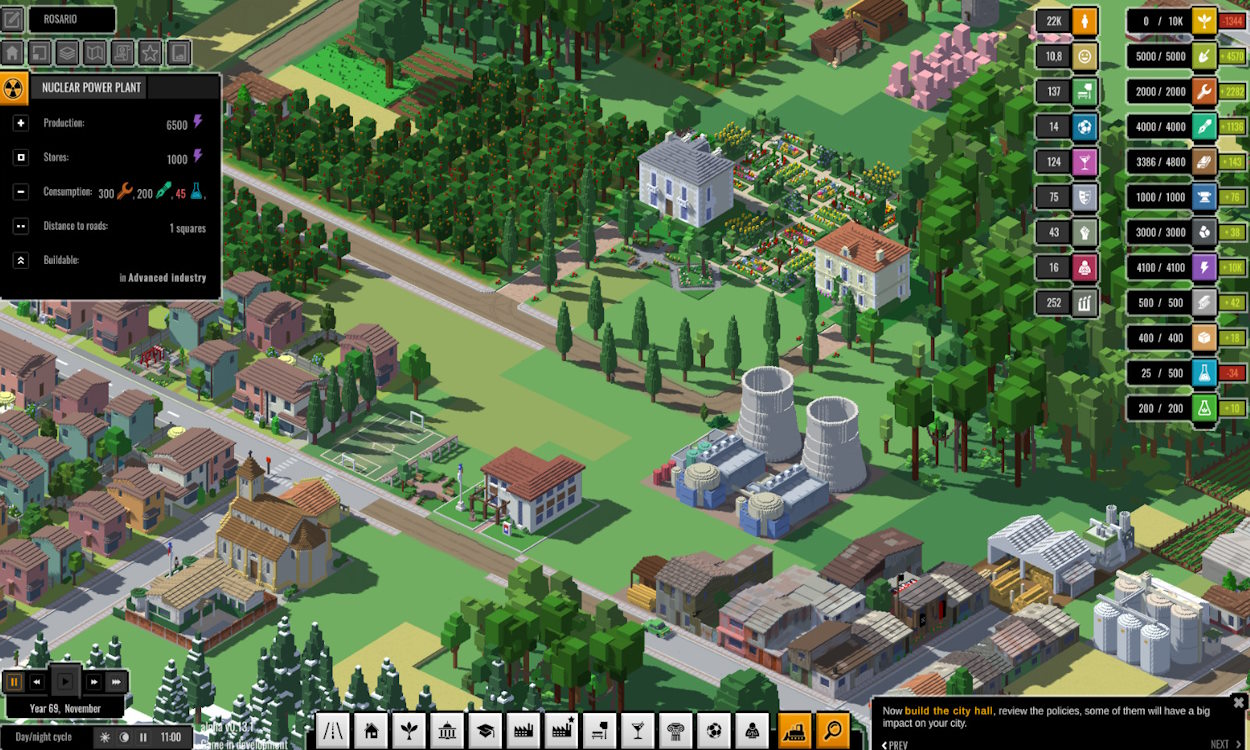
Cities don’t just rise from concrete and steel—they emerge from decisions. Where to place the power plant. How wide the roads should be. Whether to prioritize housing or industry. These choices define urban life, and now, you can test your city planning instincts in immersive building city games online. No downloads, no complex setups—just open your browser and start constructing.
The appeal of these games lies in their balance of freedom and consequence. Each zoning decision affects traffic, pollution, and citizen happiness. A poorly placed industrial zone can ruin residential growth. A single subway line can transform a dying district. These are the dynamics that make online city builders so compelling—and why millions return to them daily.
This isn’t just entertainment. Many players use these games to explore real-world urban issues: sustainability, transportation efficiency, disaster preparedness. Some educators even integrate them into classrooms to teach civic planning. Whether you’re a casual player or a strategy enthusiast, the right online city game can challenge and reward you.
Let’s explore the best options available, what makes them stand out, and how to get the most from them.
Why Online City Building Games Are Gaining Popularity
You don’t need a gaming PC or console to design a city. That’s the revolution: accessibility. Building city games online run directly in browsers, removing barriers like installation, updates, or hardware limits.
More than convenience, these games tap into a growing interest in city design and sustainability. With climate change and urban sprawl dominating headlines, people want to understand how cities function—and what goes wrong when they don’t. Games let players experiment safely. Flood a district? Restart. Overload the power grid? Learn and adjust.
They’re also social. Many online platforms allow sharing cities, comparing designs, or collaborating on large-scale builds. Some even feature community challenges: “Can you build a zero-emission city in 15 minutes?” This blend of creativity, competition, and learning fuels engagement.
For developers, browser-based city games are cheaper to maintain and easier to update. Frequent content drops—new buildings, events, or mechanics—keep players coming back. And because they’re often free-to-play (with optional upgrades), the entry cost is low, increasing reach.
Top 5 Building City Games Online You Can Play Now
Not all city builders are created equal. Some focus on realism, others on speed and simplicity. Here are five standout options that deliver depth, polish, and true city-building satisfaction—all without leaving your browser.
1. SimCity BuildIt (by EA) One of the most polished free-to-play city builders, SimCity BuildIt brings console-quality visuals and mechanics to the browser. You zone residential, commercial, and industrial areas, manage resources, and respond to citizen needs.
Pros: - Smooth interface with intuitive drag-and-drop controls - Live events and global competitions - Deep progression system with unlockable buildings
Cons: - Energy system limits play sessions - Heavy monetization with premium currency
Best for: Players who want a balanced mix of strategy and engagement without time pressure.
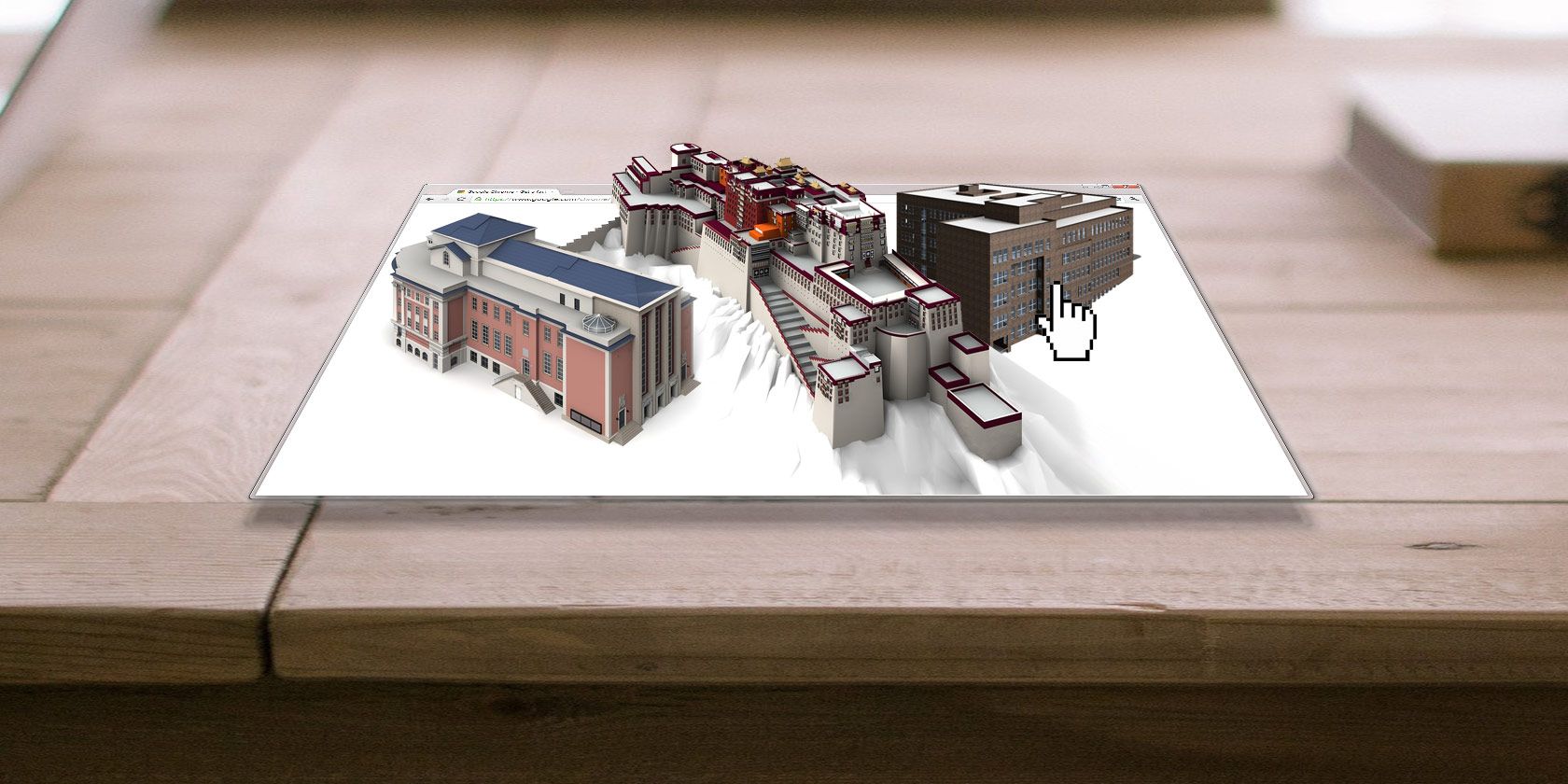
2. City Creator World Builder A sandbox-style game focused on creative freedom. Unlike traditional city sims, this one doesn’t enforce budgets or disasters. You just build.
Pros: - No penalties, no failure states - Real-time 3D rendering with day-night cycles - Export and share your city as a 3D model
Cons: - Lacks economic depth or challenge - Limited AI for traffic or services
Best for: Architects, designers, or educators who want a visual playground.
3. Urban Realms Online A multiplayer city builder where your city interacts with others in a shared region. Trade resources, form alliances, or compete in regional rankings.
Pros: - Live economy with player-to-player trade - Dynamic events like blackouts or tourism booms - Chat and diplomacy features
Cons: - Requires consistent login to stay competitive - Can feel grindy during expansion phases
Best for: Social strategists who enjoy long-term planning with others.
4. Survival World: City Building Game Blends city building with survival mechanics. You don’t just plan a city—you protect it from natural disasters, resource shortages, and zombie invasions.
Pros: - Adds urgency and tension to city management - Survival mode forces creative resource use - Offline progression available
Cons: - Less focus on urban aesthetics - UI can feel cluttered
Best for: Fans of hybrid genres who want more than peaceful planning.
5. Pocket City 2 (Browser Demo) A streamlined, mobile-inspired city sim now available in browser form. Offers full control over zoning, services, and policies—with a charming pixel-art style.
Pros: - Simple learning curve, great for beginners - Detailed control over taxes, ordinances, and budgets - Offline save sync across devices
Cons: - Demo version has limited map size - Full features require purchase
Best for: Nostalgic players who loved classic city sims but want modern simplicity.
What to Look for in a City Building Game Online
Not every game will suit your style. Here’s what to evaluate before diving in:
- Progression Depth: Does the game offer long-term goals? Can you expand, specialize, or unlock districts? Shallow games get boring fast.
- Realism vs. Fantasy: Some games simulate traffic, pollution, and budgets accurately. Others prioritize creativity over rules. Choose based on your preference.
- Monetization Model: Free-to-play games often use energy systems or in-app purchases. Check if these hinder gameplay or just accelerate progress.
- Social Features: Want to share your city? Compete? Trade? Look for leaderboards, community hubs, or multiplayer modes.
- Performance: Heavy 3D games may lag on older devices. If you’re on a laptop or school Chromebook, opt for lightweight titles.
Also, watch for hidden time sinks. Some games lock content behind wait timers (e.g., “School takes 4 hours to build”). These can feel rewarding at first but become frustrating if overused.
Common Mistakes New Players Make (And How to Avoid Them)
Even experienced gamers stumble when starting city builders. Here are frequent missteps—and how to sidestep them.
Mistake 1: Zoning Too Much Too Soon New players often cover the map in residential zones, expecting instant population growth. But without jobs, power, or water, no one moves in.
Fix: Start small. Build one residential zone, one power source, and one water pump. Grow organically as demand increases.
Mistake 2: Ignoring Road Hierarchy Throwing down wide avenues early wastes space. Small roads with planned expansions work better.
Fix: Use a grid layout with main arteries. Upgrade roads only when traffic reports show congestion.
Mistake 3: Neglecting Services Cops, fire stations, and schools don’t generate income—but they prevent disasters. Skip them, and your city burns down—literally.
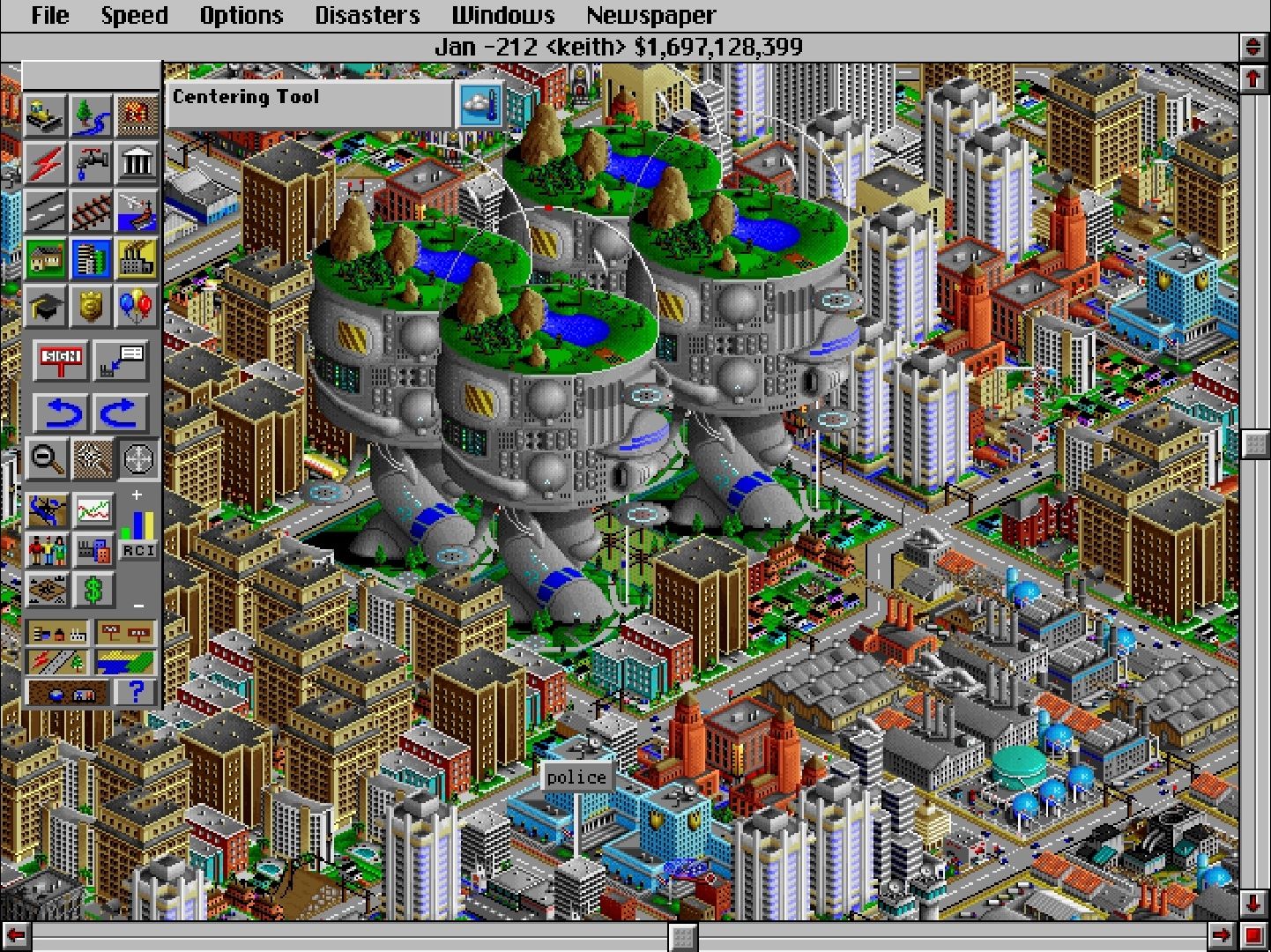
Fix: Place essential services early, even if coverage is partial. Upgrade as population grows.
Mistake 4: Chasing Aesthetics Over Function A city full of parks and monuments looks great—but if the budget is bankrupt, it collapses.
Fix: Balance beauty with balance. Use parks as tools to increase land value, not just decoration.
Pro Tip: Use the “Pause and Plan” Strategy
Most browser games let you pause or slow time. Use this to analyze budgets, adjust zones, or plan expansions without pressure.
How These Games Mirror Real Urban Challenges
Surprisingly, many mechanics in online city builders reflect real planning dilemmas.
For example, traffic congestion in a game often results from poor road design or lack of public transit—just like in real cities. Players quickly learn that adding lanes isn’t a fix; integrated transit is.
Pollution management teaches trade-offs. Industrial zones bring jobs but lower nearby land value. Placing them downwind or using green tech mirrors real zoning policies.
Budget balancing is another lesson. Raising taxes boosts income but can trigger population decline. Lowering them may please citizens but starve services. It’s a constant negotiation—exactly like municipal governance.
Educators use games like these to simulate disaster response. Can you evacuate a flood zone in time? How do you rebuild after an earthquake? These aren’t just mechanics—they’re soft training for crisis planning.
Maximize Your Experience: Workflow Tips for Serious Players
Treat your city like a project, not just a game. Here’s how to build smarter:
- Set a Goal
- Define your objective: “A carbon-neutral city,” “100,000 population,” or “Zero crime.” Goals focus your decisions.
- Use the Data Panel
- Most games provide dashboards for traffic, pollution, and happiness. Check them daily. Patterns emerge—like garbage trucks getting stuck on a single road.
- Save Before Major Changes
- Planning a highway? Relocating the power plant? Save first. If it backfires, revert and try again.
- Join a Community
- Reddit, Discord, and fan forums are full of player-made guides, blueprints, and troubleshooting tips. Learn from others’ mistakes.
- Play in Sessions
- City building thrives on reflection. Play for 30 minutes, step away, return with fresh eyes. You’ll spot inefficiencies faster.
Start Building—Right Now
You don’t need a degree in urban planning to create a thriving city. You just need curiosity, a browser, and the willingness to learn from mistakes. The best building city games online offer more than entertainment—they’re sandboxes for decision-making, crisis management, and creative problem-solving.
Pick one from the list. Start small. Make mistakes. Fix them. Watch your city grow from a few houses into a dynamic metropolis. The only limit is your imagination.
FAQ
Can I play building city games online for free? Yes, most browser-based city builders are free-to-play. Some offer premium upgrades, but core gameplay is usually accessible at no cost.
Do these games require downloads or installations? No. True online city games run directly in your browser—no plugins or downloads needed.
Are there multiplayer city building games? Yes, games like Urban Realms Online let you connect with other players, trade resources, and compete in regional rankings.
Can I save my progress in browser games? Most games support cloud saves through account login, so you can continue from any device.
Which city building game is best for beginners? Pocket City 2 (browser demo) and SimCity BuildIt offer intuitive interfaces and gentle learning curves.
Do online city games teach real skills? Yes. Players learn about zoning, infrastructure planning, budgeting, and environmental trade-offs—many of which apply to real-world urban design.
What devices support online city building games? They work on laptops, desktops, and tablets with modern browsers. Some are also optimized for touchscreen controls.