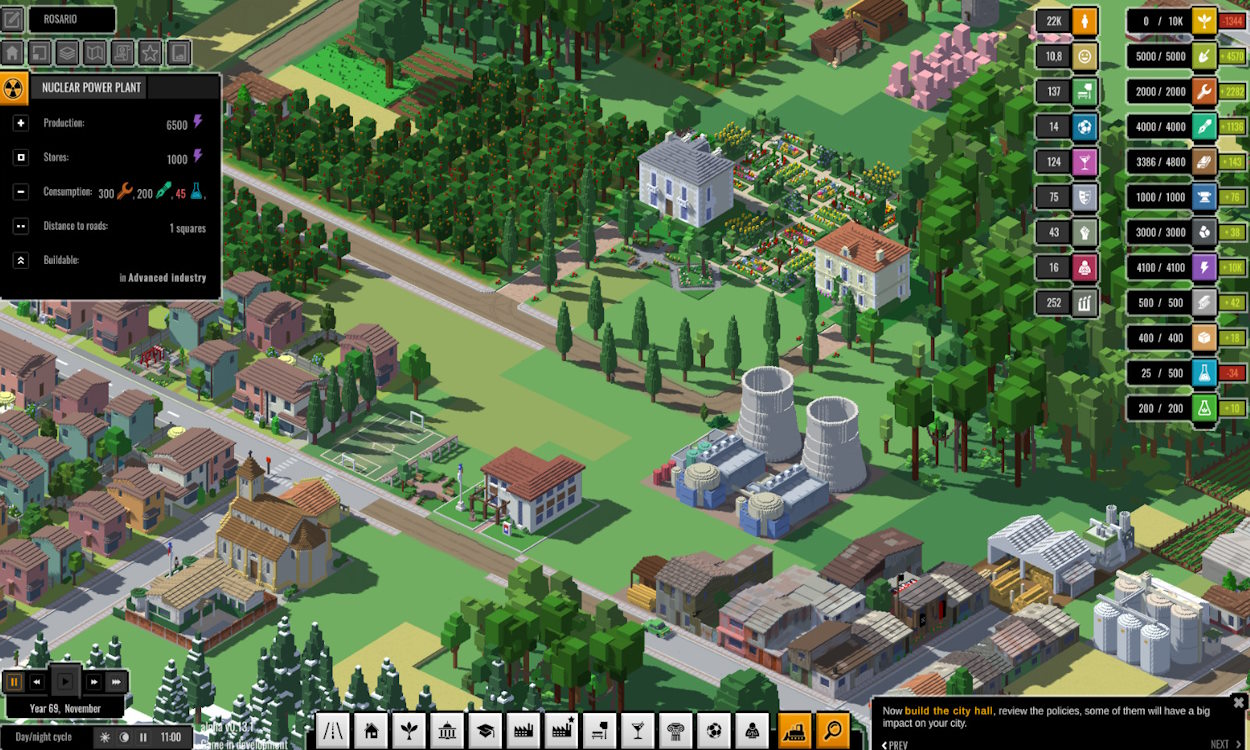
Most people think city building is just about roads, zones, and power grids. But real strategy city building games demand more: foresight, adaptability, and ruthless prioritization. Fail to plan for water distribution, and your population riots. Ignore industrial logistics, and your economy collapses—no matter how pretty your skyline looks.
These aren’t idle clickers or theme park simulators. They’re complex systems that mirror real urban challenges—traffic flow, pollution, social unrest, supply chains—wrapped in compelling gameplay loops. Whether you're managing a post-apocalyptic bunker or a medieval kingdom, the best strategy city builders force you to think like a planner, a diplomat, and a crisis manager.
Here’s a look at the standout titles that define the genre, what makes them tick, and how to get the most out of them.
Why Strategy City Building Games Still Dominate the Genre
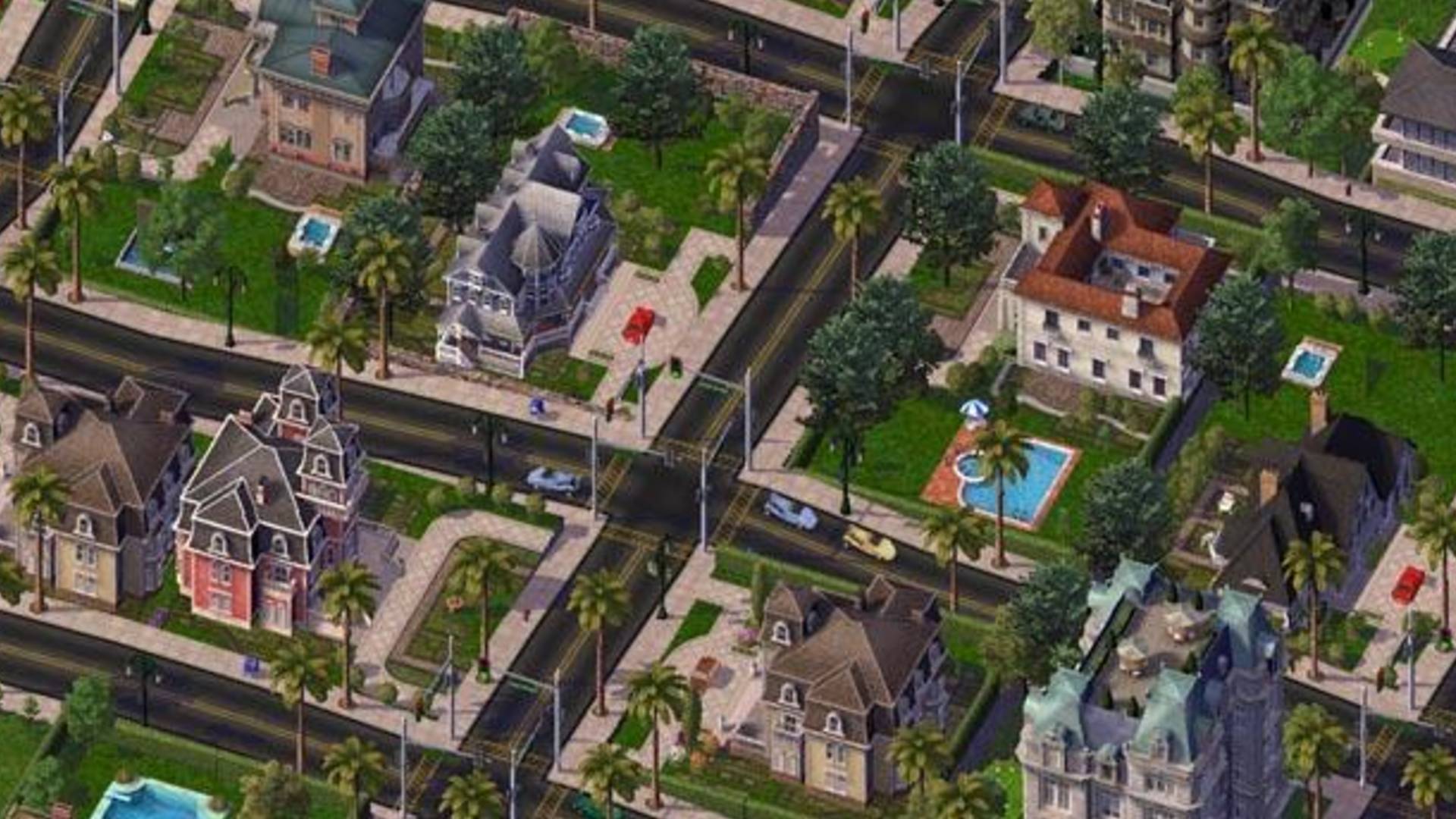
City building games have evolved far beyond SimCity’s colorful rooftops. Modern strategy entries focus less on aesthetics and more on systemic depth. Players don’t just place buildings—they manage cause-and-effect chains that ripple across decades of in-game time.
Take Cities: Skylines. On the surface, it's a sandbox. But dig in, and you’ll spend hours optimizing traffic flow with timed traffic lights, adjusting tax rates per district, or designing public transit networks that reduce congestion without bankrupting the city. One poorly placed highway interchange can trigger a cascade of traffic jams, pollution spikes, and citizen dissatisfaction.
The appeal lies in the challenge: you're not just building a city—you're maintaining a fragile ecosystem. The best players don’t react. They anticipate.
The Hidden Skill Set You Develop
- Resource allocation – Knowing when to invest in healthcare vs. education
- Long-term planning – Laying out districts before demand exists
- Crisis mitigation – Handling disasters before they happen
- Economic balance – Avoiding inflation from overproduction
These aren’t just game mechanics. They mirror real-world urban planning dilemmas.
Cities: Skylines – The Modern Benchmark
Released in 2015, Cities: Skylines quickly became the gold standard for modern city builders. Developed by Colossal Order and published by Paradox Interactive, it offers deep simulation with unmatched mod support.
What sets it apart?
- Traffic AI that tracks individual citizens (called "cims") across the city
- Mod-friendly architecture—thousands of user-created assets and gameplay tweaks
- District customization with unique policies and specializations
- Realistic infrastructure management, from sewage to power grids
But it’s not flawless. The game struggles with very large cities due to performance limits. Unmodded, it caps out around 1 million population before slowdowns cripple gameplay. Even then, managing services becomes overwhelming without third-party tools like Traffic Manager: President Edition.
Pro tip: Start small. Many players rush to expand, only to collapse under budget deficits. Focus on low-density residential zones early, ensure full service coverage, and let demand guide growth.
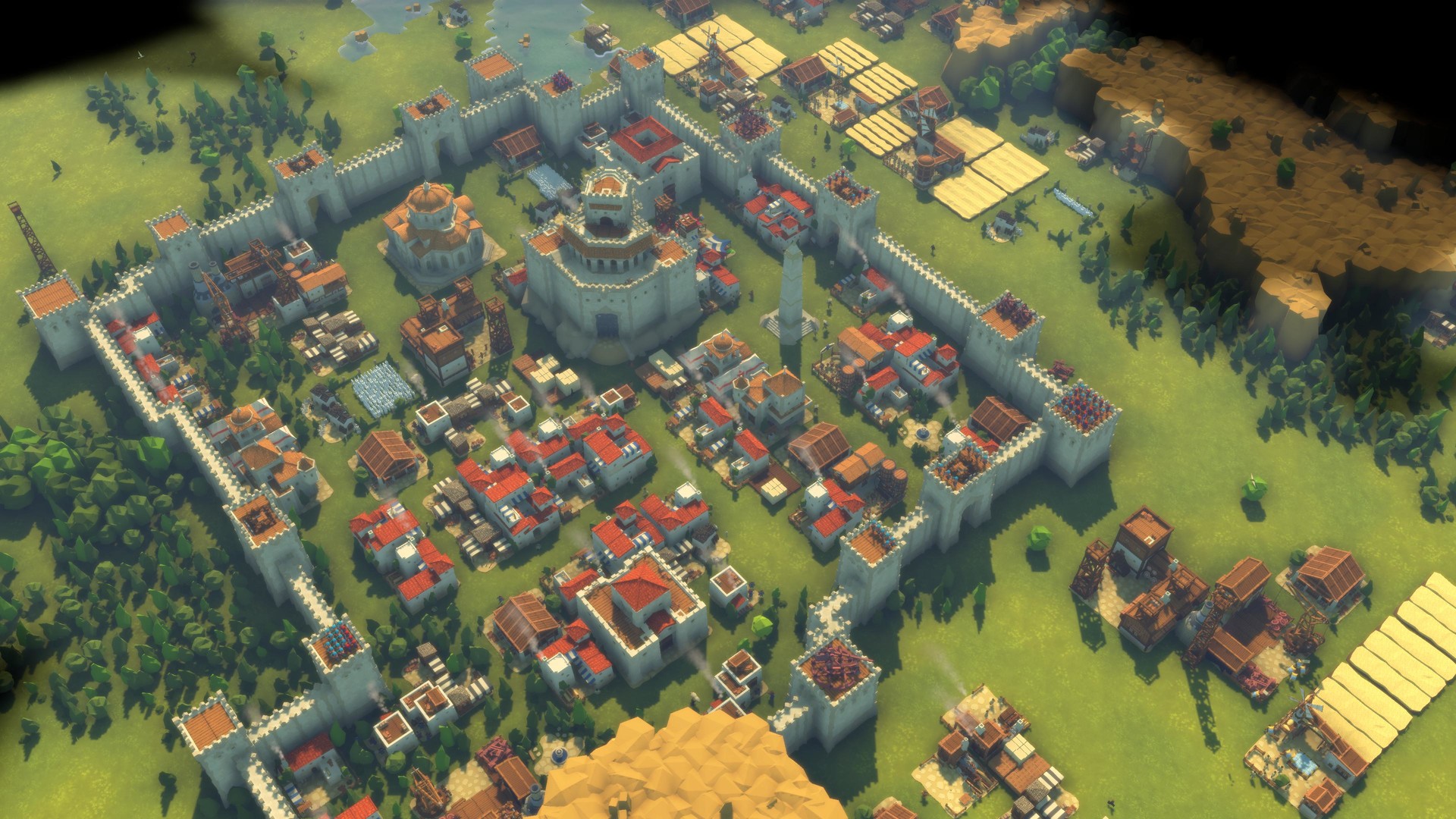
Frostpunk – Survival Meets Urban Strategy
Frostpunk flips the script. Instead of building a city for prosperity, you’re trying to keep it from freezing to death.
Set in an alternate 19th century where Earth is plunged into a new ice age, the game forces brutal choices:
- Implement child labor or risk manpower shortages?
- Enforce order with surveillance or risk rebellion?
- Break laws to survive a blizzard?
Every decision impacts hope and discontent—two core metrics that can end your reign overnight.
Why it’s strategic: It’s not about expansion. It’s about sustainability under pressure. Heating your city relies on coal, which requires workers, who need food, shelter, and morale. Break one link, and the chain collapses.
Frostpunk teaches a critical lesson: in crisis, efficiency matters more than ethics. But ignore ethics entirely, and your people will revolt.
Common mistake: Overextending too early. New players often build outposts before securing their core city. When a storm hits, supply lines break, and outposts die—dragging down morale citywide.
Surviving the Aftermath – Post-Apocalyptic Planning
If Frostpunk is about surviving winter, Surviving the Aftermath is about rebuilding after everything else dies.
You start with a handful of survivors, a ruined map, and contaminated land. The goal? Rebuild civilization while managing radiation, resource scarcity, and rogue factions.
Key strategic layers:
- Land decontamination – Requires research, labor, and time
- Colony specialization – Focus on science, defense, or resource production
- Randomized events – From dust storms to trader caravans
Unlike Cities: Skylines, there’s no terraforming or road grids. You work with what’s there, placing modules on clean tiles. This creates natural bottlenecks—forcing prioritization.
Workflow tip: Always maintain a surplus of food and medicine. Random events can trigger plague outbreaks or sabotage, and without reserves, your colony won’t survive the healing process.
Banished – Simplicity with Depth
Banished strips away the high-tech gloss. No power grids. No traffic. Just villagers, trees, and the cold reality of starvation.
You manage a small group of exiles trying to survive in a medieval wilderness. Every person has a role: farmer, woodcutter, hunter, or scholar. Death is permanent. No resurrection. No respawns.
Strategic depth comes from dependency chains:
- Woodcutters need tools → blacksmiths need iron → miners need food → farmers need land → land needs time to rotate
One bad winter can wipe out half your population. But the game doesn’t punish you with randomness—it punishes poor planning.
Limitation: No military or diplomacy. It’s purely economic and survival-focused. But that focus is its strength.
Anno Series – Trade, Expansion, and Empire Management
The Anno franchise (especially Anno 1800 and Anno 2205) blends city building with empire-scale strategy.
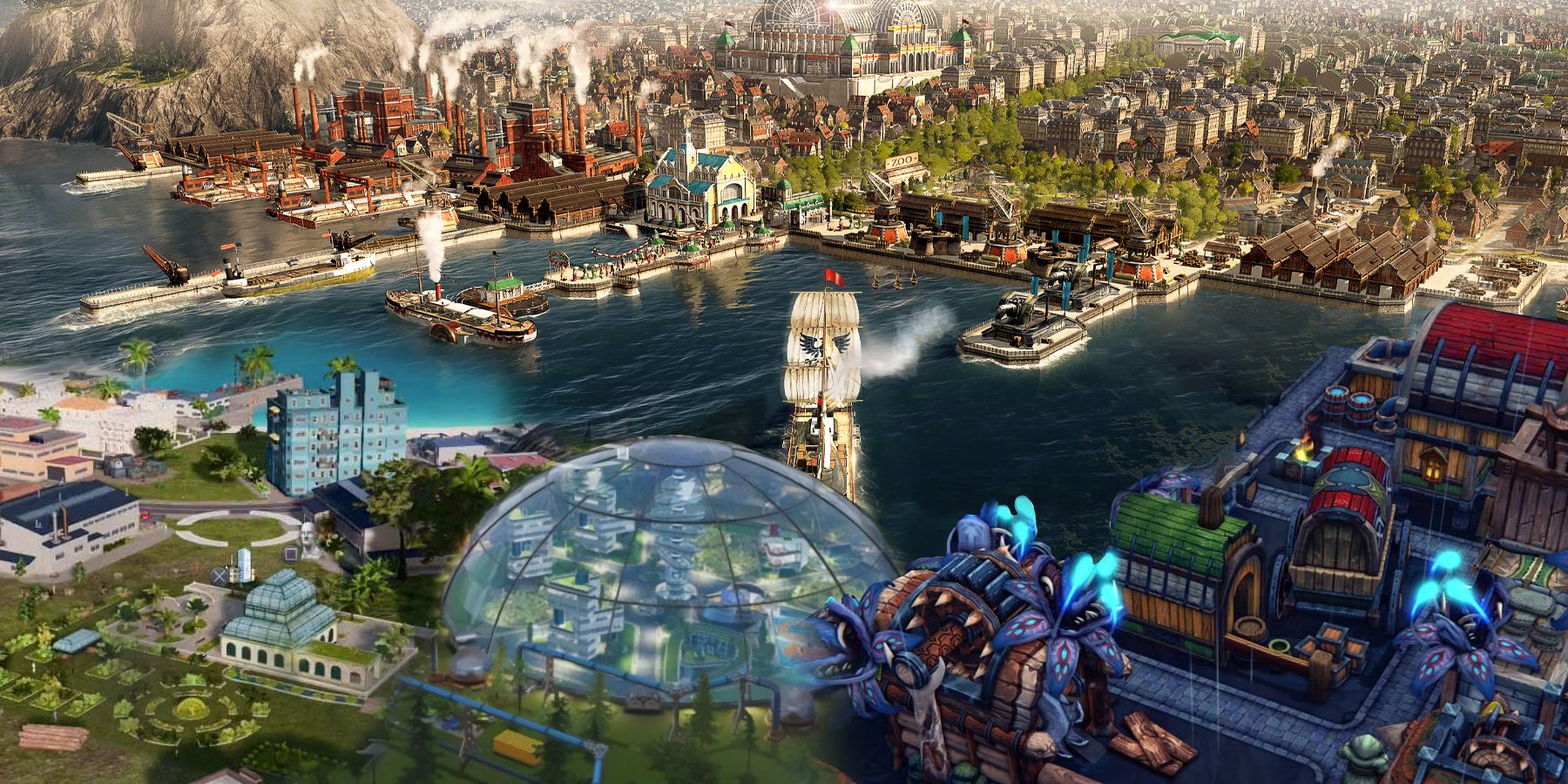
You don’t just build one city—you manage multiple islands or even colonies on the moon, each producing different goods. Then you orchestrate trade routes, optimize production chains, and balance citizen demands across social classes.
Anno 1800 is a masterclass in supply chain logistics:
- Farmers grow wheat → millers make flour → bakers make bread → citizens eat
- But craftsmen want beer, which needs hops and barley
- And you need to export goods to trade for luxury items to keep aristocrats happy
Strategic challenge: Overproduction wastes resources. Underproduction causes strikes. You’re always walking a tightrope.
Pro insight: Use the production chain overlay. It shows exactly where bottlenecks occur—critical when managing 10+ islands.
Top 5 Strategy City Building Games You Should Play
| Game | Core Focus | Best For | Platform |
|---|---|---|---|
| Cities: Skylines | Urban planning, traffic, services | Players who love detail and mods | PC, Console |
| Frostpunk | Survival, crisis management | Story-driven strategists | PC, Console |
| Surviving the Aftermath | Post-apocalyptic rebuilding | Risk/reward decision makers | PC, Mobile |
| Banished | Minimalist survival | Players who value consequence | PC |
| Anno 1800 | Trade, production chains, expansion | Grand-scale logistics | PC |
Each offers a different flavor of city strategy—from intimate survival to sprawling empires.
Common Mistakes That Derail New Players
Even experienced gamers stumble in city builders. Here’s what trips most people up:
- Expanding too fast – More land means more services, which drains money fast.
- Ignoring traffic early – Bad road layouts cause delays that cripple supply chains.
- Underestimating pollution – Industrial zones need buffers, especially in Cities: Skylines.
- Neglecting happiness – Low morale reduces productivity and triggers abandonment.
- Not saving often – Disasters strike without warning. Auto-saves aren’t enough.
Workflow tip: Use a layered build approach: - Phase 1: Infrastructure (roads, power, water) - Phase 2: Low-density residential + basic services - Phase 3: Commercial/industrial zones - Phase 4: High-density and specialization
This prevents overload and keeps budgets stable.
How to Choose the Right Game for Your Play Style
Not all city builders are the same. Match the game to how you like to play:
- Want creative freedom? → Cities: Skylines with mods
- Prefer narrative tension? → Frostpunk
- Love logistics puzzles? → Anno 1800
- Enjoy survival tension? → Surviving the Aftermath or Banished
- Like historical settings? → Anno series or Caesar III (classic)
Don’t force yourself into a game that doesn’t fit. If managing 50 supply lines stresses you out, Frostpunk’s simpler loop might be better.
Final Thoughts: Strategy Is About Constraints
The best city building games don’t give you infinite resources. They force you to make trade-offs—between growth and stability, comfort and efficiency, ethics and survival.
That’s where real strategy emerges.
Whether you're routing tram lines in Cities: Skylines or deciding whether to pass the 10th Survival Law in Frostpunk, you’re not just playing a game. You’re running a system—and every decision echoes.
Start small. Plan ahead. Save often. And remember: the city doesn’t care how beautiful it looks. It only cares if it survives.
FAQ
What is the most realistic city building game? Cities: Skylines is widely considered the most realistic due to its detailed traffic simulation, service coverage mechanics, and mod support that adds even deeper layers.
Is Cities: Skylines better than SimCity? For most players, yes. Cities: Skylines offers larger maps, better AI, mod support, and fewer restrictive design choices than the 2013 SimCity reboot.
Can you play city building games on mobile? Yes. Surviving the Aftermath and Pocket City 2 offer solid city building experiences on iOS and Android, though with simplified mechanics.
Do these games require fast reflexes? No. Strategy city builders are turn-based or real-time with pause, focusing on planning over reaction speed.
Are there multiplayer city building games? Most are single-player, but Anno 1800 includes competitive multiplayer modes where players build and trade on shared maps.
What’s the hardest city building game? Frostpunk and Banished are among the hardest due to permanent death, resource scarcity, and unforgiving failure states.
Can city building games help with real-world skills? Yes. They improve systems thinking, resource management, and long-term planning—skills applicable to urban planning, project management, and logistics.