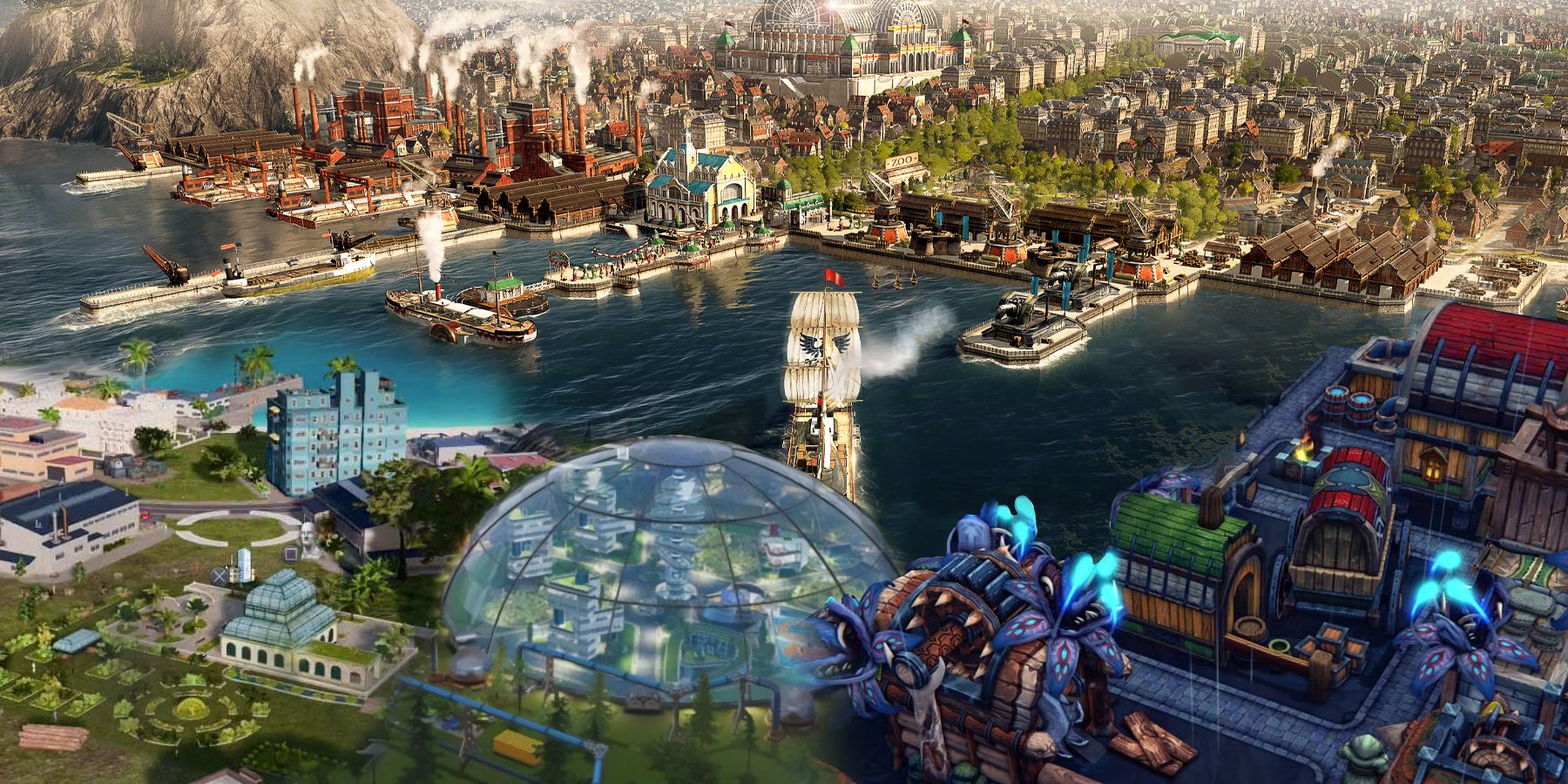
Most city building games don’t fail because of poor graphics or weak mechanics—they fail because they misunderstand what players actually want: control, consequence, and creativity. A great city builder doesn’t just let you place roads and zones. It forces you to make trade-offs, react to crises, and watch your decisions ripple across districts, economies, and ecosystems. If your city feels like a theme park rather than a living organism, the game hasn’t earned its place on your hard drive.
Here’s a look at the standout titles in the genre—those that deliver depth, realism, and long-term engagement without collapsing under their own complexity.
---
What Defines a Great City Building Strategy Game?
Not every game with zoning tools and tax sliders qualifies as a meaningful strategy experience. The best city builders combine three core elements:
- Meaningful player agency – You shape not just layouts, but policies, infrastructure priorities, and long-term growth patterns.
- Dynamic systems – Traffic, pollution, employment, and public opinion interact in ways that respond to your choices.
- Consequence over cosmetics – Building a park isn’t just decoration. It affects land value, health, and migration patterns.
Too many games prioritize visual polish over systemic depth. You can have photorealistic skylines, but if traffic AI ignores congestion or citizens don’t react to policy shifts, the simulation feels hollow.
Common Pitfalls to Avoid
- Over-automation – When the game auto-zones or auto-budgets, it removes the strategic layer. You're decorating, not governing.
- Shallow crisis mechanics – Random disasters that vanish after a progress bar are narrative window dressing, not strategy.
- One-path progression – If every city evolves the same way, replayability dies fast.
Games like Cities: Skylines and Tropico 6 succeed because they let you fail—and then learn from that failure.
---
Cities: Skylines – The Modern Benchmark
Launched in 2015, Cities: Skylines didn’t just compete with SimCity—it surpassed it. Developed by Colossal Order and published by Paradox Interactive, it became the gold standard for modern city builders by focusing on mod support, traffic simulation, and granular control.
Why It Stands Out
- Deep traffic AI – Cars take realistic routes, creating bottlenecks you must diagnose and fix.
- Extensive modding – Over 300,000 mods on the Steam Workshop let you customize everything from building styles to economic models.
- District-specific policies – You can set unique rules for industrial zones, tourist districts, or low-density residential areas.
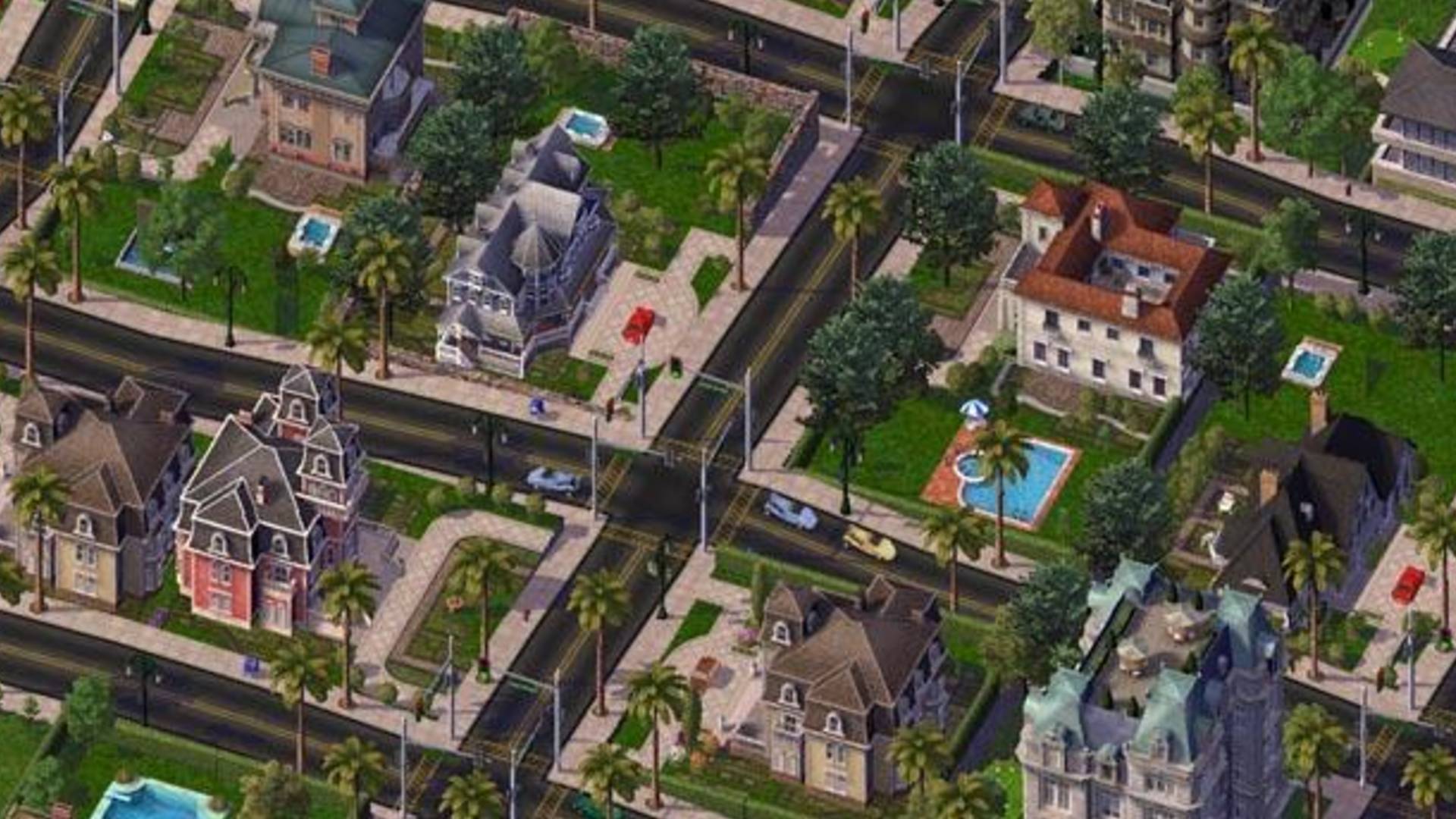
Even a decade later, Skylines remains deeply relevant, especially with the release of Cities: Skylines II (2023), which introduced agent-based modeling—each citizen has a job, home, and routine. However, the sequel launched with performance issues and delayed features, making the original still the more stable choice for many players.
Pro Tip: Use the Traffic Manager: President Edition mod. It gives you lane-by-lane control and real-time congestion heatmaps—essential for fixing gridlock.
---
Tropico Series – Dictatorship
with a
Smile
While most city builders cast you as a benevolent planner, the Tropico series puts you in the boots of “El Presidente,” a corrupt, charismatic dictator ruling a Caribbean island nation. The series, now up to Tropico 6, blends city building with political satire and real-time strategy.
Strategic Layers That Matter
- Faction management – Religious, intellectual, militaristic, and capitalist factions demand attention. Ignore them, and you’ll face protests or coups.
- Foreign relations – Trade with the US, USSR, or EU affects available tech and incoming propaganda.
- Endgame crises – Late-game events like invasions, economic collapse, or pandemics test your long-term planning.
Tropico shifts the genre’s focus from pure urban design to governance under pressure. You’re not just building a city—you’re manipulating a population, laundering money, and staging fake elections.
Use Case: In Tropico 6, building a luxury resort boosts tourism and income—but it angers intellectuals and environmentalists. Do you suppress dissent or invest in green tech? Each choice alters your island’s stability.
---
Surviving the Aftermath – Post-Apocalyptic City Survival
For players tired of sunny suburbs and clean energy, Surviving the Aftermath offers a brutal twist: rebuild civilization after global collapse. From the makers of Surviving Mars, this game emphasizes resource scarcity, environmental hazards, and survivor psychology.
Key Mechanics
- Dynamic climate threats – Solar flares, acid rain, and dust storms damage infrastructure.
- Survivor skills and stress – Citizens have traits (e.g., “Engineer” or “Paranoid”) that affect productivity and morale.
- Modular base design – Unlike grid-based zoning, you manually place buildings with adjacency bonuses.
It’s less about aesthetics and more about triage urbanism. Do you prioritize food, power, or shelter? One misstep can trigger a cascade failure.
Common Mistake: Over-expanding too early. New players often build housing before securing food, leading to starvation and abandonment.
---
Frostpunk – Law, Survival, and Moral
Choice
Frostpunk isn’t just a city builder—it’s a crisis management simulator. Set in a frozen, steampunk Earth, you lead the last city around a giant generator. The core tension? How much humanity are you willing to sacrifice for survival?
Unique Design Elements
- Law system – You pass edicts like child labor or 24-hour shifts, each with social cost.
- Temperature mechanics – If the city drops below -60°C, buildings freeze and people die.
- Narrative-driven events – Scouting parties return with moral dilemmas: save a group of refugees or conserve resources?
The game tracks your “Hope” and “Discontent” meters. High discontent leads to riots. High hope keeps people working—but hope is hard to maintain when you’re burning books for fuel.
Realistic Workflow Tip: Always build spare housing and food stockpiles before winter storms hit. The “Great Storm” scenario kills unprepared players in hours.
---
Top 5 City Building Strategy
Games in 2024
| Game | Best For | Platform | Unique Strength |
|---|---|---|---|
| Cities: Skylines | Deep urban planning, modding | PC, Consoles | Traffic simulation, scalability |
| Tropico 6 | Political satire, replayability | PC, Consoles | Faction dynamics, humor |
| Surviving the Aftermath | Post-apocalyptic survival | PC | Environmental threats, stress system |
| Frostpunk | Narrative depth, moral choices | PC | Crisis management, atmosphere |
| Banished | Minimalist survival | PC | Resource realism, no combat |
Note: All support Windows; most available on Steam. Mod support varies—highest in Cities: Skylines and Tropico 6.
---
Niche But Brilliant: Hidden Gems
Banished No disasters, no enemies—just survival. In Banished, you lead a group of exiles who must farm, log, and build shelter using finite resources.
There’s no military, no trade—just the slow grind of sustainability.
Why it’s unique: Citizens age, die, and must be replaced through birth rates. Over-harvesting leads to starvation years later. It’s a quiet, unforgiving lesson in long-term planning.
The Settlers Series Though recent entries flopped, *The Settlers 7:
Paths to a Kingdom* remains a cult favorite. It layers supply chain micromanagement—every tool requires raw materials, workers, and transport—onto city building.
Workflow Insight: Route optimization matters. If your lumberjacks are too far from sawmills, production stalls. You’re managing logistics as much as zoning.
---
How to Choose the Right Game for You
Your ideal city builder depends on what kind of challenge you want:
- Want realism and control? → Cities: Skylines
- Prefer satire and politics? → Tropico 6
- Crave survival tension? → Frostpunk or Surviving the Aftermath
- Like minimalist, systems-driven play? → Banished
Also consider time commitment. Frostpunk campaigns last 20–40 hours. Tropico 6 can stretch to 100+ with expansions. Banished is shorter but demands constant attention.
---
Final Verdict: Depth Over Polish
The best city building strategy games don’t hand you a utopia template. They give you limited resources, competing demands, and consequences that compound over time. Graphics fade. Mechanics endure.
If you’re looking for a genre that rewards patience, systems thinking, and adaptive planning, start with Cities: Skylines for control, Frostpunk for tension, and Tropico 6 for replayable chaos. Install one, save early, and expect your first city to fail—then learn why. That’s where the real strategy begins.